UK road markings what they mean and what the Highway Code says RAC Drive (2022)
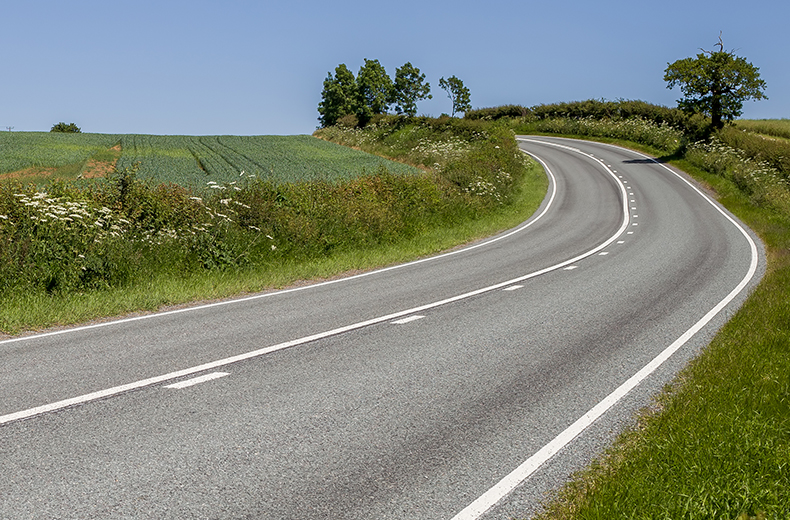
A solid white line: A normal single solid white line means that crossing the line is discouraged - not prohibited. Don't cross the line - except to avoid an accident. Double white lines: Double white lines mean that crossing the lines is prohibited. Don't cross the lines under any circumstances. Broken yellow lines: - Mark a passing zone.
Double White Lines—What are they? Bay Area Express Lanes YouTube

White Pavement Markings. A single or double solid white line between traffic lanes traveling in the same direction may not be crossed for any reason. While driving on a divided highway, you usually will see a single solid white line used to indicate the rightmost boundary of the drivable roadway. Do not drive to the right of this line.
UK road markings what they mean and what the Highway Code says RAC Drive
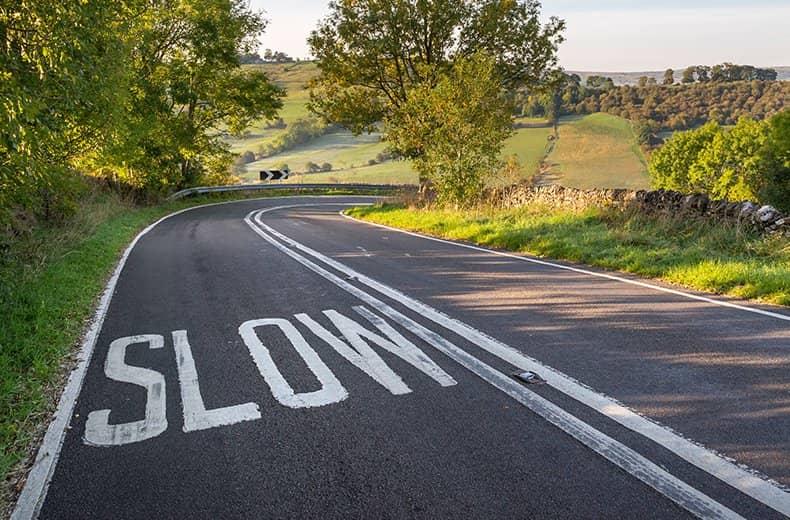
Broken and Solid White Lines. Question 3: A broken white line between lanes: A. Can be crossed to change lanes. B. Can be crossed only to turn left into a driveway. C. Marks a special two-way turn lane. CORRECT ANSWER: A. You may cross a broken white line to change lanes when it is safe to do so.
The only time you can legally cross a double white line explained or face a fine of £1,000

Broken Double Yellow Lines. You might notice broken double yellow lines in areas where traffic can get heavy at certain times of the day. For example, you may see this pavement marking on roads near large manufacturing plants. Early in the morning and later in the day these roads can fill with vehicles as workers go to or leave from work. To.
Road Markings And What They Mean Chill
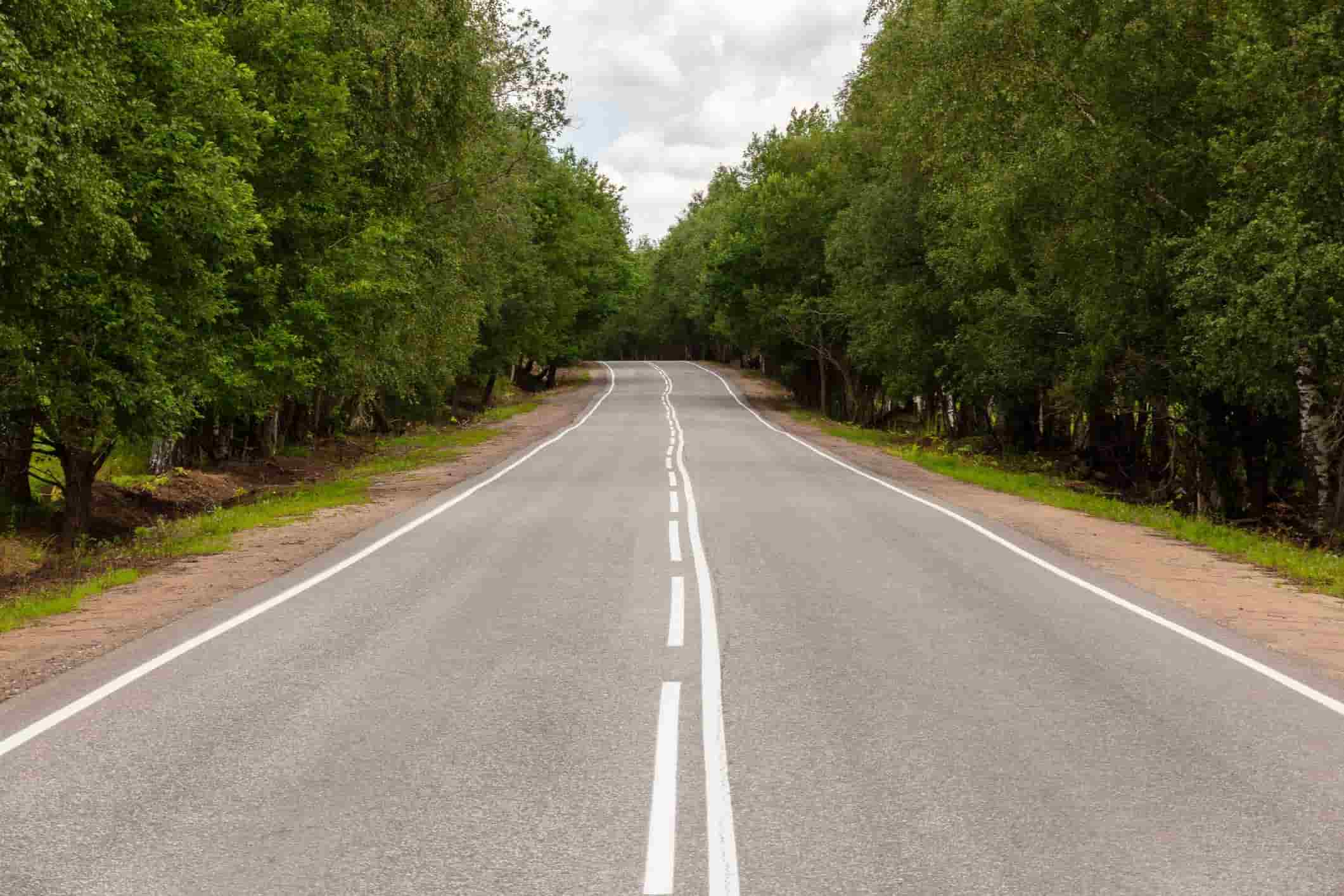
A single solid white line marks traffic lanes going in the same direction. This includes one-way streets. Double Solid White Lines. Double solid white lines indicate a lane barrier between a regular use and a preferential use lane, such as a carpool (HOV) lane. You may also see double solid white lines in or near freeway on and off ramps.
Double white lines on road stock image. Image of warning 18543529
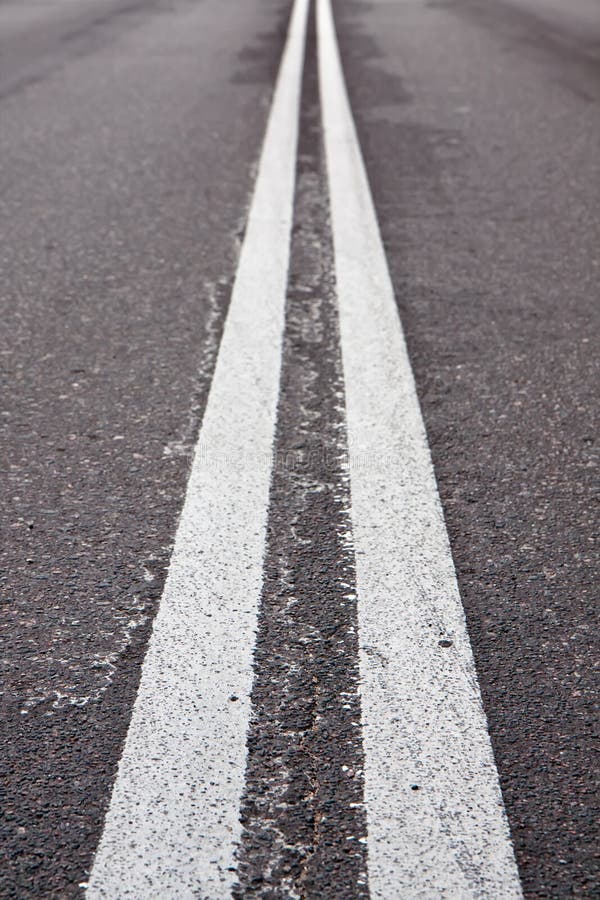
Published: Wednesday, August 14, 2019. Straight, broken, yellow, white, bumpy - road lines come in all different patterns, colours and textures. Each has its place, and some may even save your life. Here are just 7 road markings to familiarise yourself with.
What Do the Lines on the Road Mean? The News Wheel
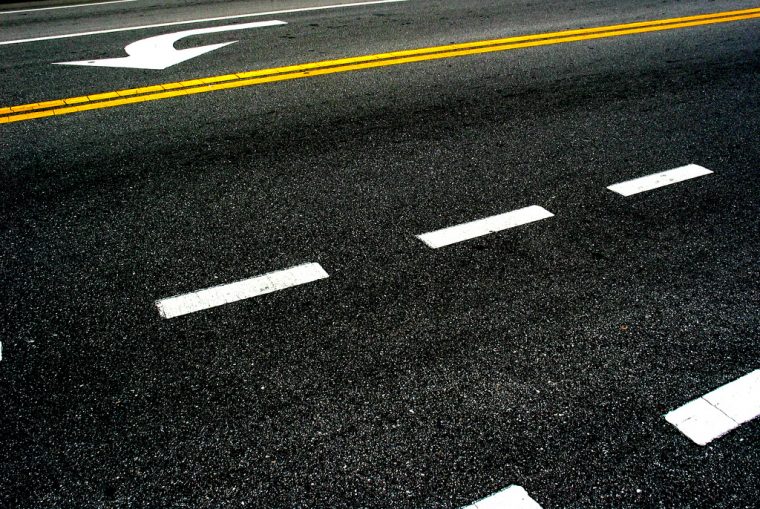
There are a few ways the centre line markings can be used to indicate what rules are relevant when it comes to turning and overtaking. Some quieter, less used roads don't have a line at all, more frequented roads have a dotted or broken centre line. In this article we will be looking at the difference between a Single Solid White Line and.
Ever Wonder Why Some Road Have White And Some Have Yellow Lines?
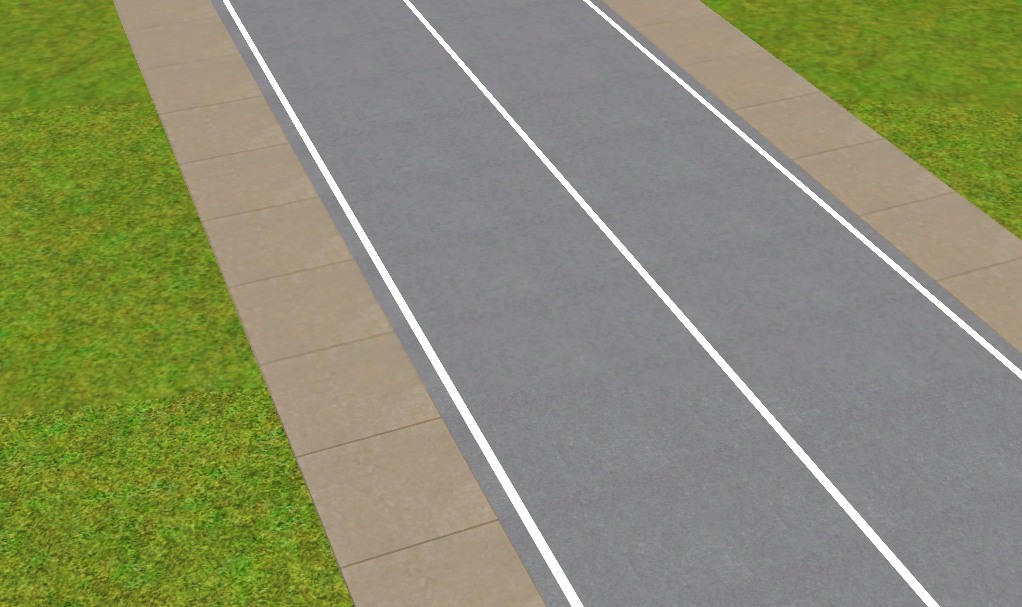
3. Solid white lines/Solid yellow lines. A solid white or yellow line denotes a few things: that you may not overtake if the solid line is on your side of the roadway, it marks the edge of the roadway on the right side (where the shoulder then begins) or the left side (where there is oncoming traffic), and that you're coming up to an.
Pavement Markings Roadway Marking Types Of Pavement Markings & Their Meanings Road

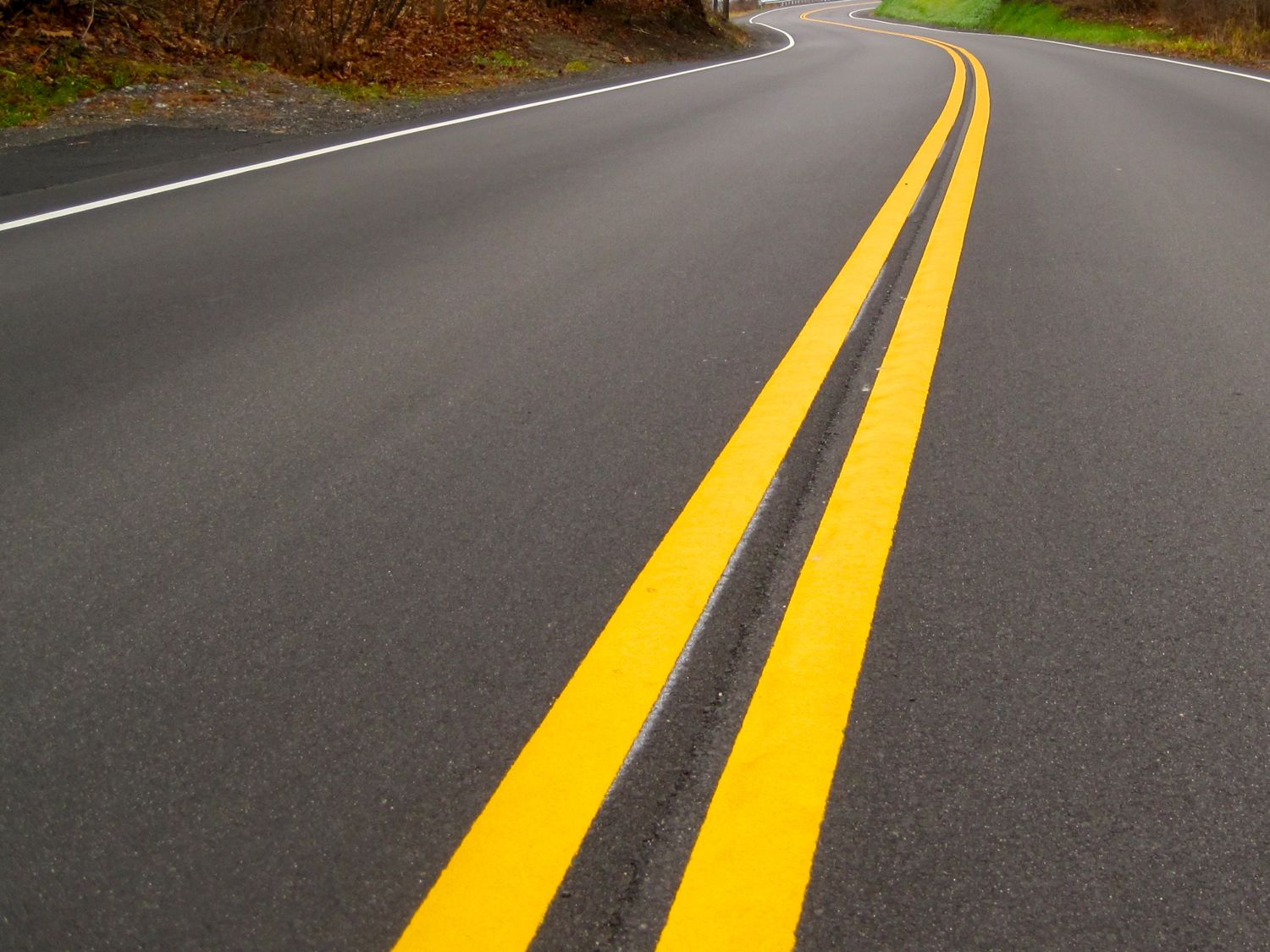
Yellow lines separate two lanes of traffic moving in opposite directions. If there are two solid yellow lines, this means you are not allowed to pass the car in front of you by crossing into.
Road Lines Everything You Need To Know BC Driving Blog

Similar to the waiting restrictions, these appear as single or double lines and the same rules apply. So, a single yellow line on the kerb means loading is limited to a specific time frame (which will be indicated on a nearby black and white sign) and a double yellow line on the kerb means that loading is not permitted at any time.
How to do single and double spacing between lines in word echolasopa
Single Solid White Line. A single solid white line marks traffic lanes going in the same direction. This includes one-way streets. Double Solid White Lines. Double solid white lines indicate a lane barrier between a regular use and a preferential use lane, such as a carpool (HOV) lane. You may also see double solid white lines in or near.
Pavement Markings and What They Mean

Edge lines are solid pavement lines along the side of the road. They indicate where the lane ends and where the road shoulder begins. There are two types of edge lines: A solid white edge line - indicates the right edge of the pavement; A solid yellow edge line - indicates the left edge of the pavement on divided highways and one-way streets
Here’s The Reason Why Do Some Roads Have White Markings While Others Have Yellow Ones Life 'N
White dividing lines. White dividing lines separate vehicles travelling in opposite directions. Generally, you must always drive to the left of dividing lines, whether they're single or double, broken or unbroken. You can cross a white dividing line to avoid an obstruction if: you have a clear view of approaching traffic; it's necessary and.
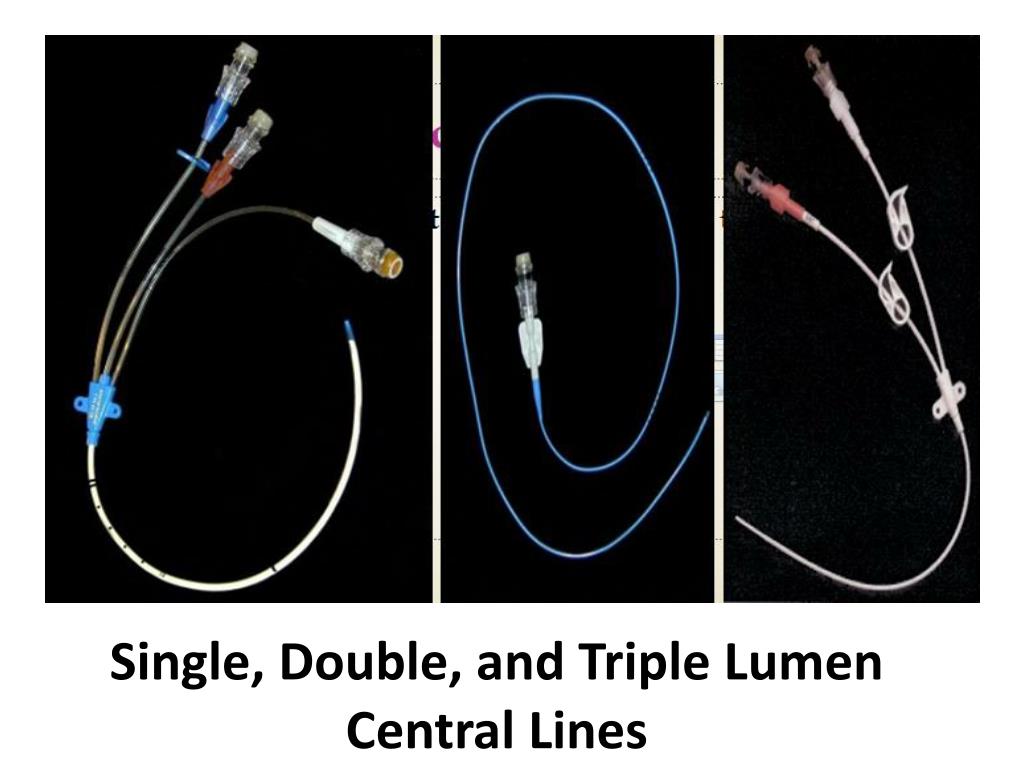
PPT Central Venous Line (CVL) AND Central Venous Pressure (CVP) PowerPoint Presentation ID
Here's a straightforward breakdown of the key regulations concerning yellow lines: Double Yellow Lines: Absolute no-go for parking or waiting. This rule is in effect at all times, making it clear that stopping here is always off-limits. Single Yellow Lines: More conditional, these require attention to nearby signage.
Significado de White Lines saiba porque a série tem esse nome Universo Estendido
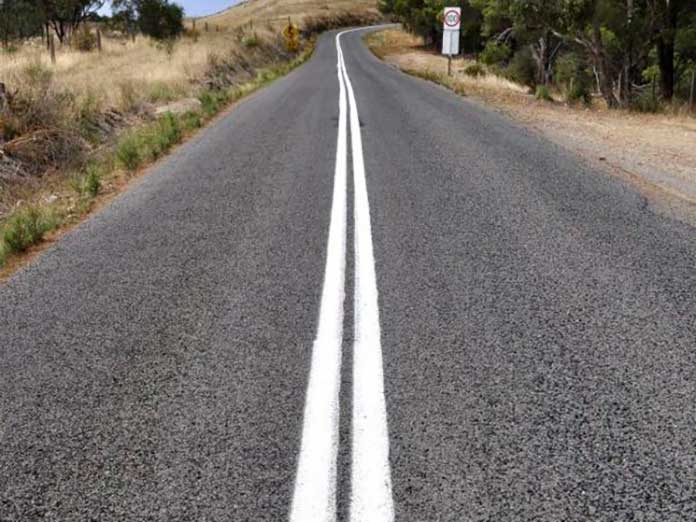
A solid yellow line indicates that passing is prohibited. A dashed yellow line indicates that passing is allowed. White lines separate lanes for which travel is in the same direction. A double white line indicates that lane changes are prohibited. A single white line indicates that lane changes are discouraged.
A Driver’s Guide to Pavement Lines and Lane Markings AutoTrader.ca

White and yellow lines are used along pavement edges and between lanes to keep vehicles in line. These lines may be solid or broken (long dashes), single or double. Yellow Lane Lines. Yellow lane lines separate lanes of traffic moving in opposite directions. Single yellow lines may also mark the left edge of the pavement on divided highways and.