The Law of Misleading or Deceptive Conduct, 5th edition LexisNexis Australia

The ACL creates strong protections for consumers, including the prohibition of misleading and deceptive conduct. Under this law, if you make an innocent mistake that misleads a consumer, you could be legally responsible for misleading or deceptive conduct. If you intended to deceive consumers, you could be in even more serious trouble with the law.
Australian Consumer Law doc
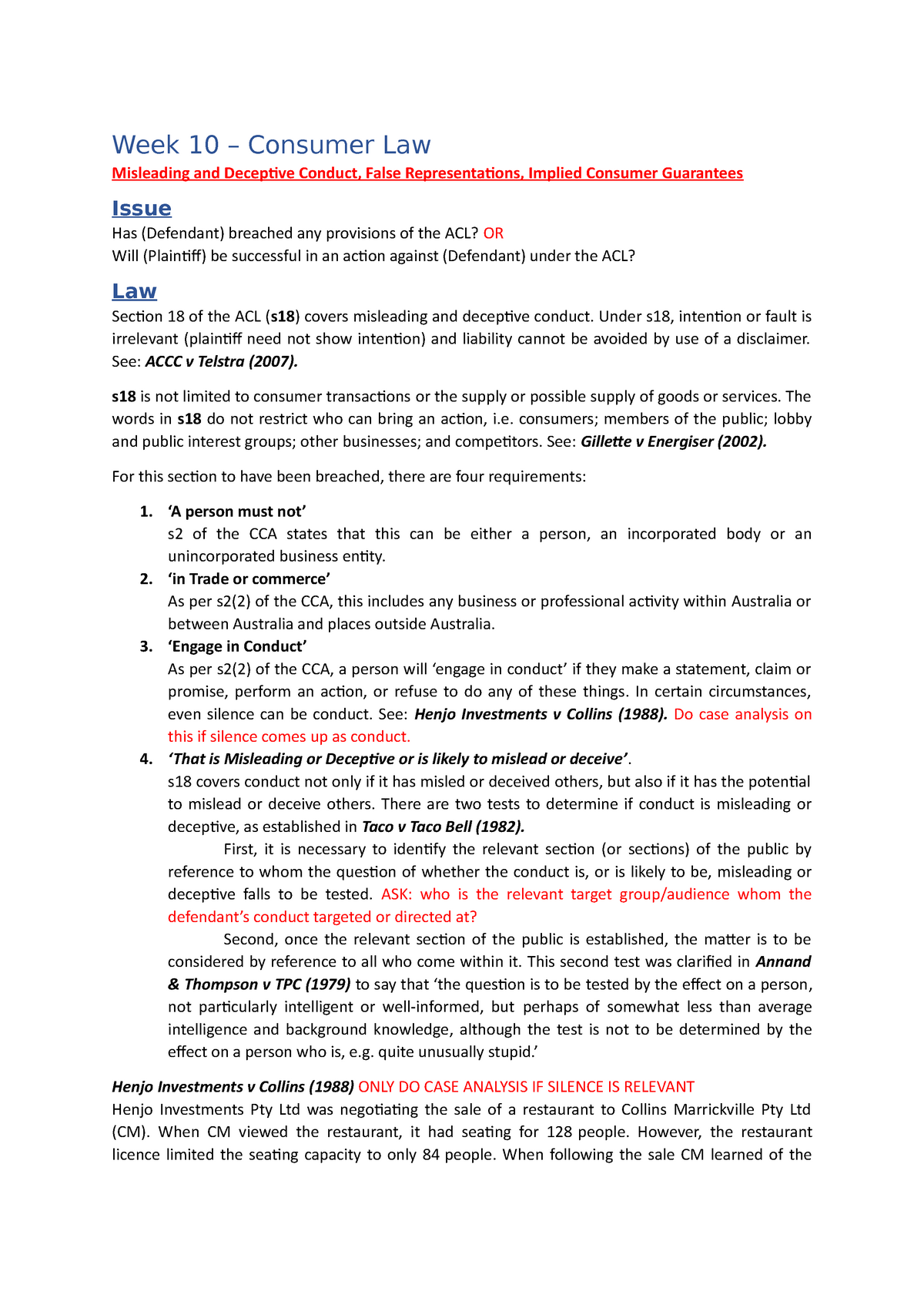
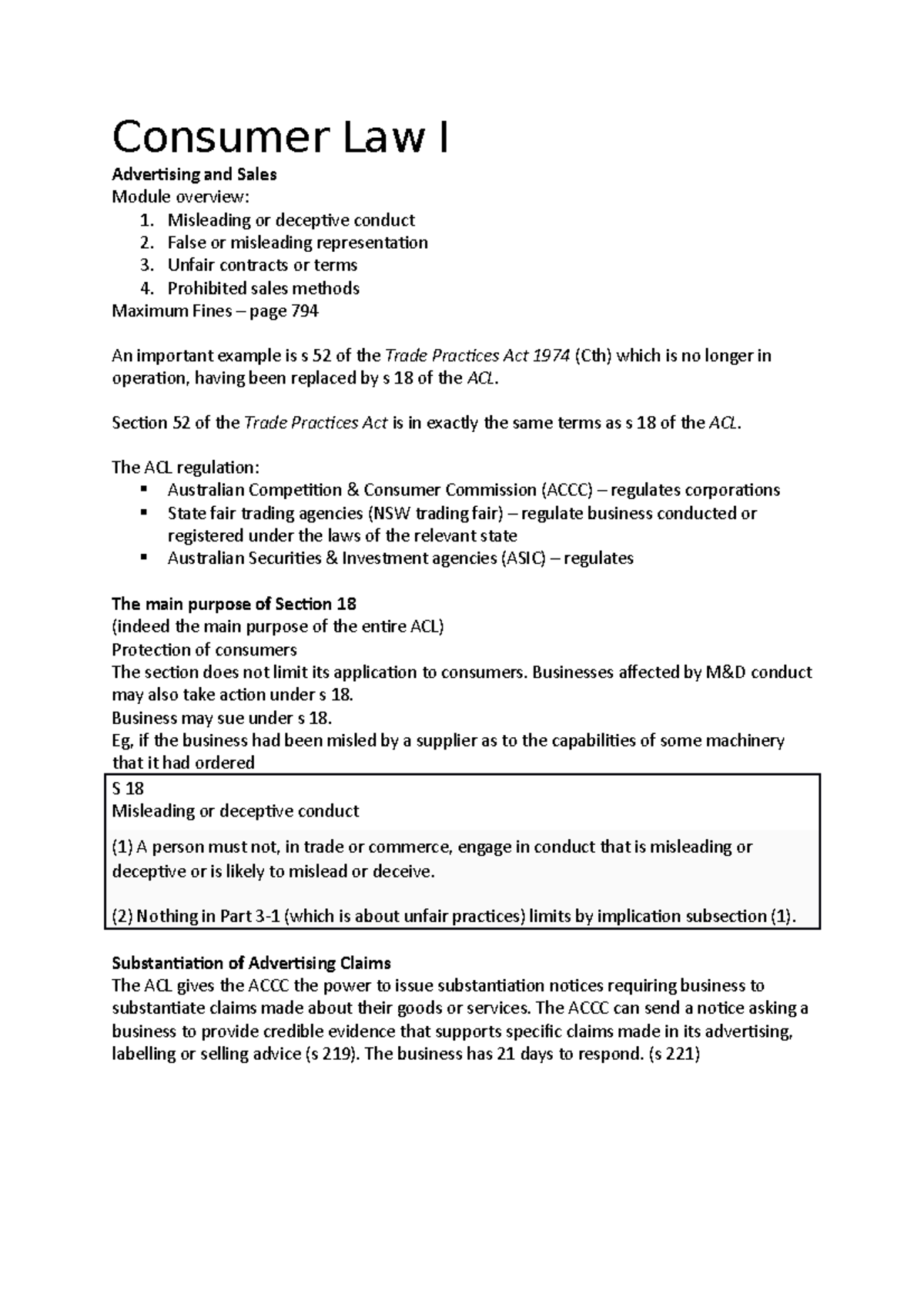
Statute. The statutory prohibition of misleading and deceptive conduct can now be found in s 18 of the Australian Consumer Law (contained in schedule 2 of the Competition and Consumer Act 2010 (Cth)).This was previously contained in s 52 of the Trade Practices Act with the result that many of the cases relevant to this provision refer to s 52.. 18 Misleading or deceptive conduct
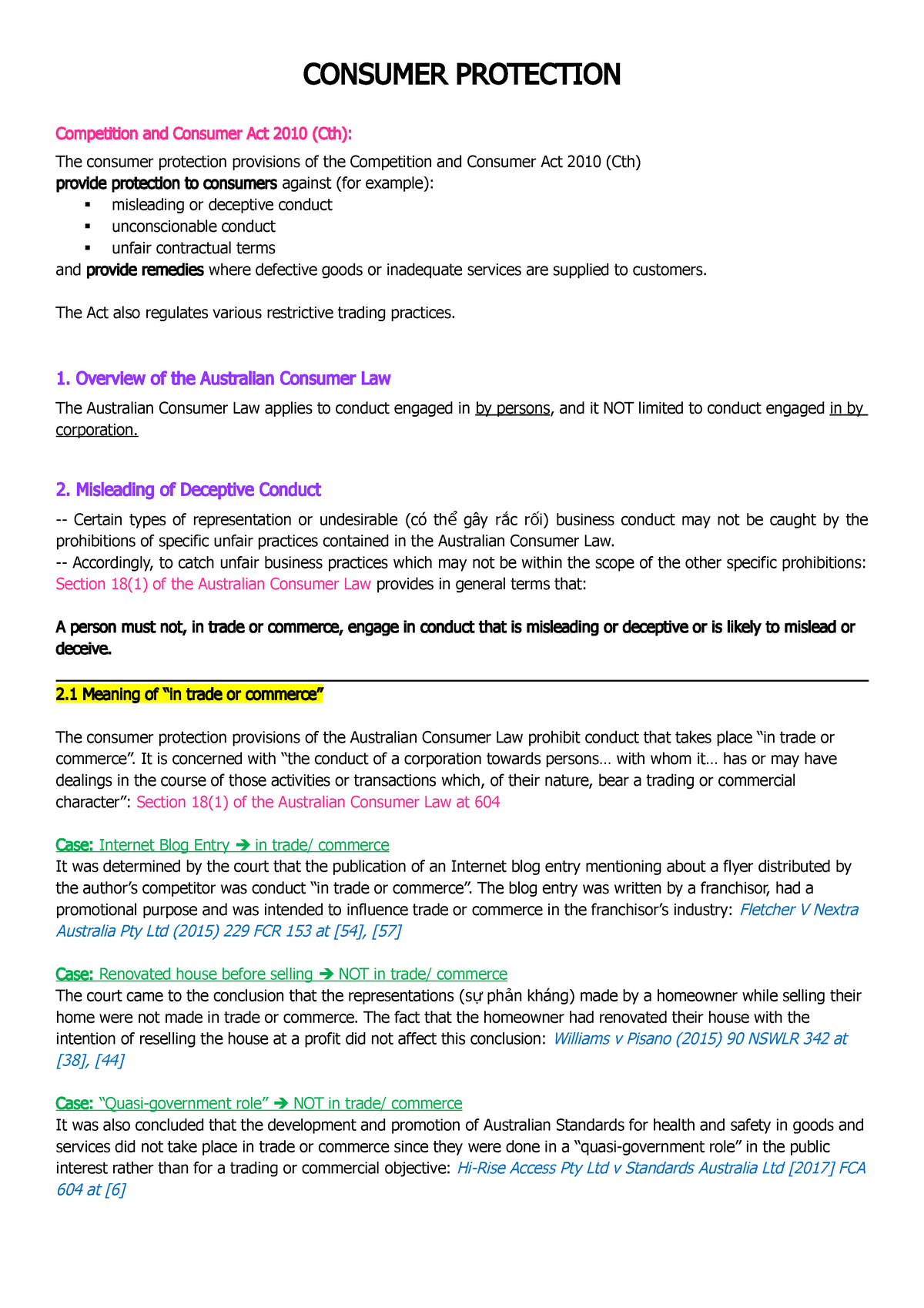
Australian Consumer Law CONSUMER PROTECTION Competition and Consumer Act 2010 (Cth) The
3 Within the Australian judicial system, a transformative consumer protection statute first passed in the 1970s and extended at State levels and applicable to trade and commerce generally as well as to corporate activity proscribes conduct that is misleading or deceptive, or likely to mislead or deceive.11
Consumer law I Topic 2 Misleading OR Deceptive Conduct 200909 Enterprise Law Advertising and

Under section 18 of the Australian Consumer Law (ACL), a person must not, in trade or commerce, engage in conduct that is misleading or deceptive or likely to mislead or deceive.Section 236 of the ACL provides that a claimant can only recover loss or damage for a person's breach of section 18 if the claimant suffered such loss or damage because of the person's misleading or deceptive conduct.
What Is Misleading and Deceptive Conduct Under the Australian Consumer Law? MMW Trademarks

In our practice, misleading or deceptive conduct claims founded in section 18 of the Australian Consumer Law (ACL) are commonly seen.Part of the reason for this is that parties are often looking for a way to get around terms of contracts that they have agreed to, or to hold someone accountable when there is no applicable contractual term available.
Australian Consumer Law 1st Edition by Adrian Coorey (English) Paperback Book Fr 9780409339031
Australian Competition and Consumer Commission
Can misleading or deceptive conduct under the Australian Consumer Law be raised as a defence to

Misleading and Deceptive Conduct Under s18 of Australian Consumer Law (ACL) a person must not, in trade or commerce, engage in conduct that is: misleading; orlikely to mislead or deceive. This section focuses upon conduct rather than representations that a person may make.
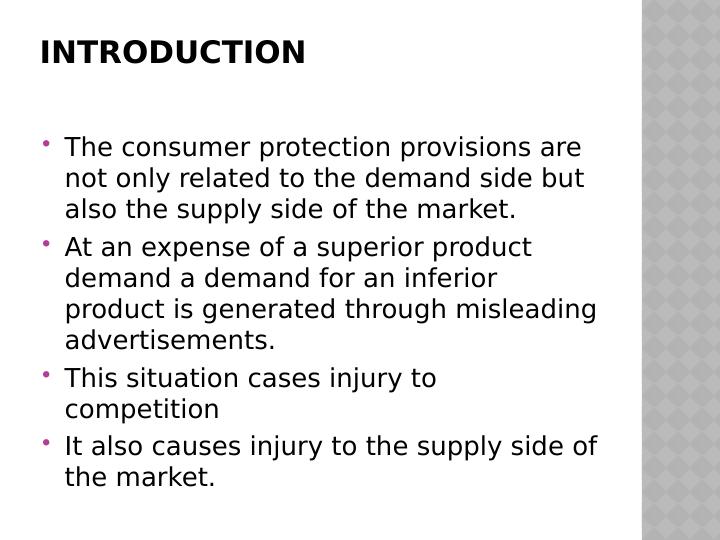
Australian Consumer Law Misleading Conduct and Business Detriment
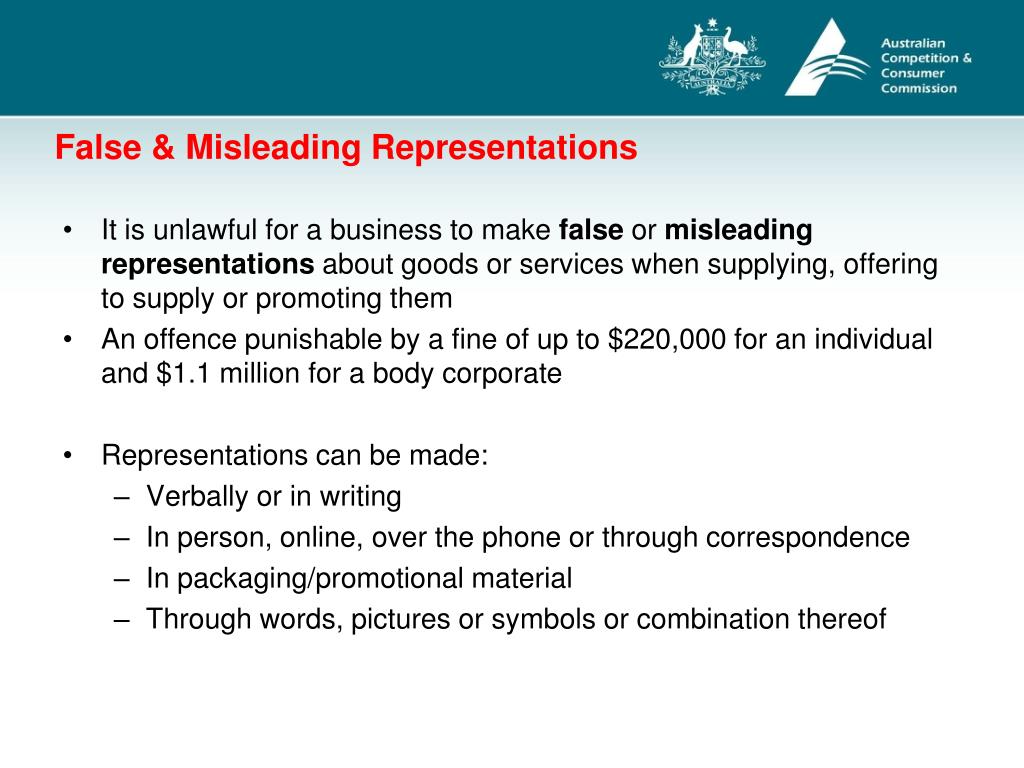
The Australian Consumer Law protects consumers from certain unfair behaviour by businesses. Unfair practices relate to things like: how businesses promote, sell and deliver products and services. what terms they use in contracts. how businesses take payment from consumers. If a business behaves very harshly, especially towards people.
Don’t be a Pain! Heavy Penalties for Misleading and Deceptive Conduct

4.1 Misleading and Deceptive Conduct under ACL s. 18 Section 18 of the Australian Consumer Law (previously s. 52 of the TPA) is the most important, and the most widely applicable, of the provisions discussed in this Chapter. Indeed, few other statutory provisions in Australian law can be as widely applied as s. 18. Section 18 reads as follows:
Australian Consumer Law Commentary & Materials (3 The Prohibition on Misleading or Deceptive

Wherethe overall impression created by the conduct is false or inaccurate, it may be misleading or deceptive. However, generally conduct that misleads or deceives a gullible person is unlikely to be regarded as misleading or deceptive. The word "conduct" covers a broad range of activities, including: statements made in writing (eg.
Laws1100 Consumer Law ILAC Summaries Week 10 Consumer Law Misleading and Deceptive Conduct
Commonwealth Consolidated Acts. COMPETITION AND CONSUMER ACT 2010 - SECT 56BN. (1) A person commits an offence if: (a) the person engages in conduct; and. (b) the person does so knowing that the conduct: (i) is misleading or deceptive; or. (ii) is likely to be misleading or deceptive; and. (c) the conduct misleads or deceives, or is likely to.
Misleading or deceptive conduct Guide Misleading or deceptive conduct s18 ACL s18 ACL A

1300 636 846. Under the Australian Consumer Law (ACL), businesses are not to engage in misleading or deceptive conduct or conduct which is likely to mislead or deceive the consumer (Section 18). Conduct can be found to breach this section regardless of whether their misleading or deceptive nature was intentional.
Consumer Law I* Misleading or deceptive conduct 2. False or misleading representation 3
What the ACCC does. We provide general guidance to businesses and consumers on how consumer law operates, including avoiding false or misleading claims. We accept reports from businesses and consumers about possible misleading or false claims. We use those reports to inform our education, compliance and enforcement work.
PPT Competition & Consumer Act 2010 & the Australian Consumer Law PowerPoint Presentation ID
The Australian Consumer Law [Competition and Consumer Act 2010 (Cth) Schedule 2] expressly prohibits misleading or deceptive conduct in trade or commerce. The section is widely used in all types of disputes relating to 'trade or commerce'.
Australian Consumer Law Misleading Conduct and Business Detriment
Misleading and deceptive conduct is a type of selling behaviour that is prohibited under the Australian Consumer Law. Section 18 (1) of the ACL states: "A person must not, in trade or commerce, engage in conduct that is misleading or deceptive or is likely to mislead or deceive.". A "person" may include partnerships and corporations.
Australian Consumer Law Misleading Conduct and Business Detriment
Section 18 (1) of the Australian Consumer Law provides: " A person must not, in trade or commerce, engage in conduct that is misleading or deceptive or is likely to mislead or deceive ". A 'person' is not just restricted to individuals and may also include partnerships and corporations (even corporations that are based outside of.