Weeping Fig Ficus Benjamina Tall with Fine Foliage plantandpot.nz
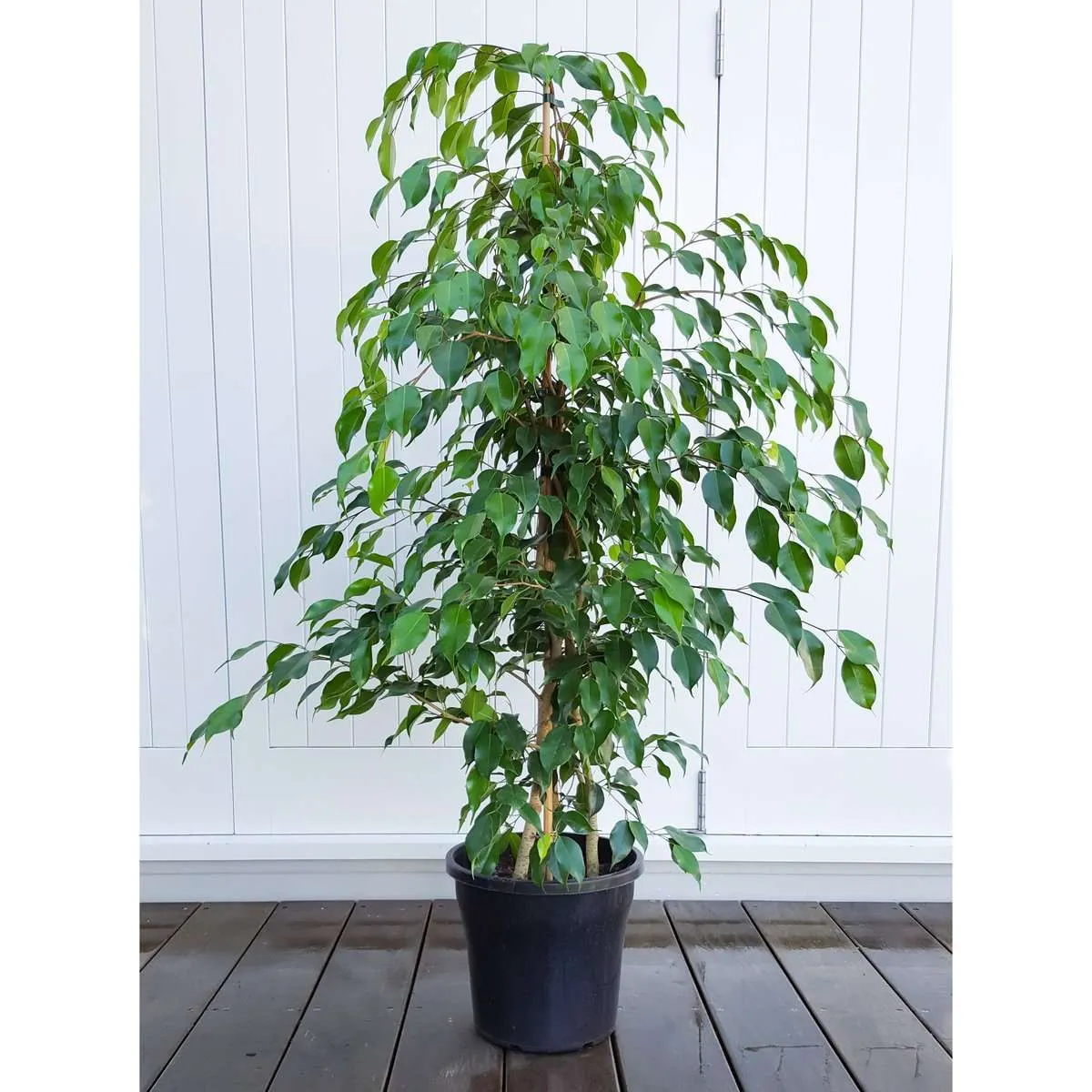
Weeping Fig (common). Ficus Benjamina (botanical/scientific), Ficus Tree: Max Growth (approx): Height up to 10ft and miniature grown types 3ft. Poisonous for pets: Toxic to cats and dogs. Types of Weeping Fig. Weeping Fig plant comes in different varieties: F. Benjamina.
Buy Ficus Benjamina 'Wintergreen', Weeping Fig Tree Online
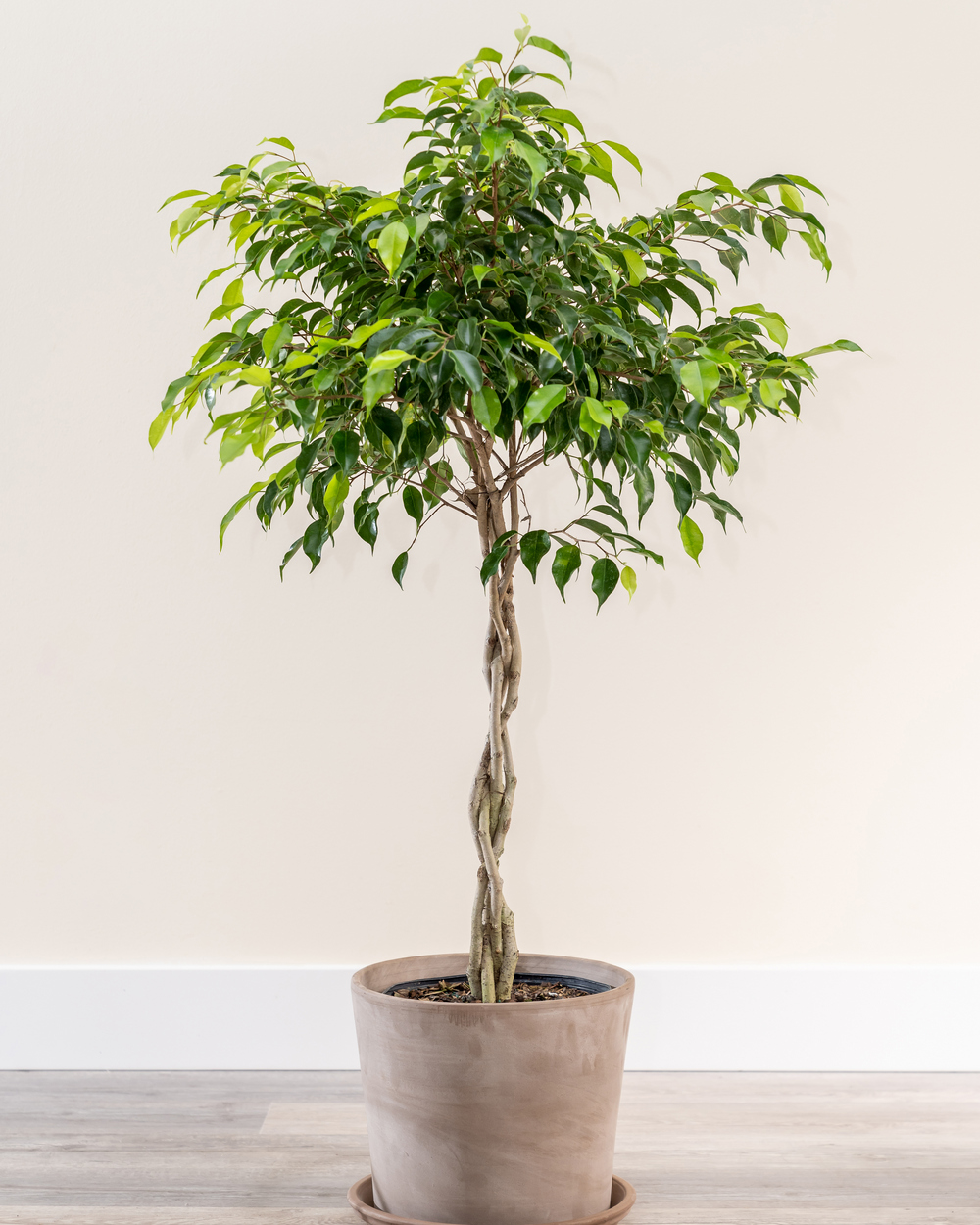
Its name conjures images of sadness and grief, but the reality is that the weeping fig is a rather enjoyable plant to grow. Easily cultivated both indoors and out, the weeping fig - or Ficus benjamina - is one of the most popular houseplants in the world.. How to care for a weeping fig: Weeping figs should be grown in bright light at 65 to 75 °F, in fast draining soil.
Ficus Benjamina Flower Power

The Weeping Fig (Ficus benjamina) is an elegant houseplant that is popular for its beautiful foliage and generally simple care requirements. Weeping Fig propagation is a great way to multiply your collection or take cuttings from a sickly plant and is thankfully very simple to do.
Weeping Fig (Ficus benjamina) in Greensboro High Point WinstonSalem Summerfield North Carolina
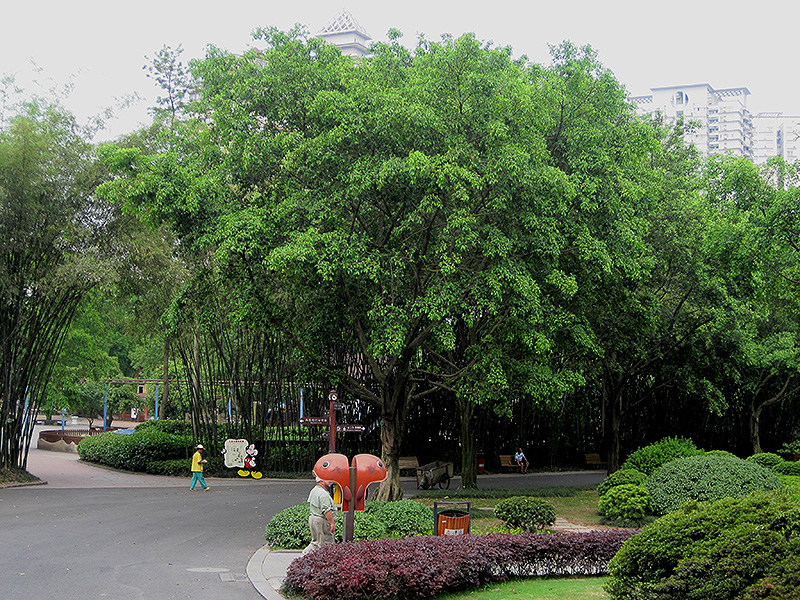
Contents. Ficus benjamina, also known as the weeping fig tree, is a beautiful and beneficial tree that comes from Southeast Asia and Northern Australia. It's the official tree of Bangkok, and we here at Epic Gardening can definitely see why! The tree can be grown in the ground in certain regions and makes a lovely houseplant in containers.
Weeping Fig (Ficus Benjamina) Care Guide and Tips Plants Spark Joy

Botanical Name: Ficus benjamina. Common Name: Weeping fig, ficus tree, Benjamin fig. Family: Moraceae. Plant Type: Evergreen tree (usually grown as a houseplant) Hardiness Zones: 10 - 12 (USDA) outdoors Sun Exposure: Filtered, bright sun Soil Type: Rich, fast-draining potting soil Soil pH: Acidic, neutral to acidic Height: 3 -6 ft. tall Native Area: Southeastern Asia, Northern Australia
Weeping Evergreen Fig Tree (ficus benjamina) Real Tropicals

Ficus benjamina 'Danielle', commonly known as the 'Danielle Weeping Fig', is a lush and elegant cultivar of the well-known Ficus benjamina. It's distinguished by its rich, deep green foliage and classic, graceful growth pattern, making it a highly sought-after plant for both residential and commercial spaces. Native: This is a.
Ficus Benjamina (Weeping Fig) The Contented Plant
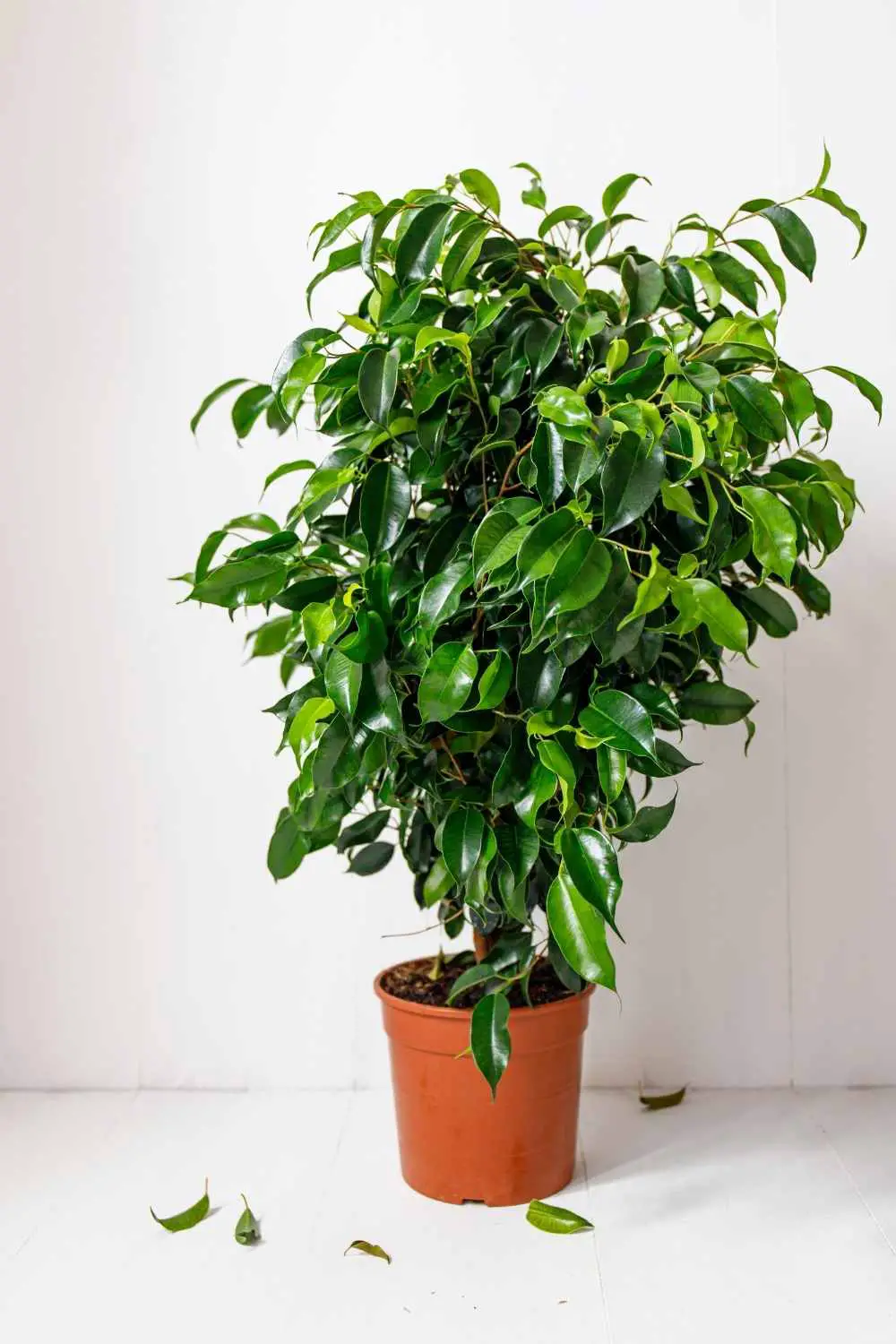
Ficus Benjamina, or the weeping fig, is a popular indoor variety. Fiddle Leaf Ficus, or Ficus Lyrata, is another popular variety for use as a houseplant. Both of these varieties grow readily, and if you don't prune them, they can reach heights of up to 6-feet. 1,552. Share.
Ficus Benjamina Danielle Weeping Fig Tree 5ft Artificial Plants
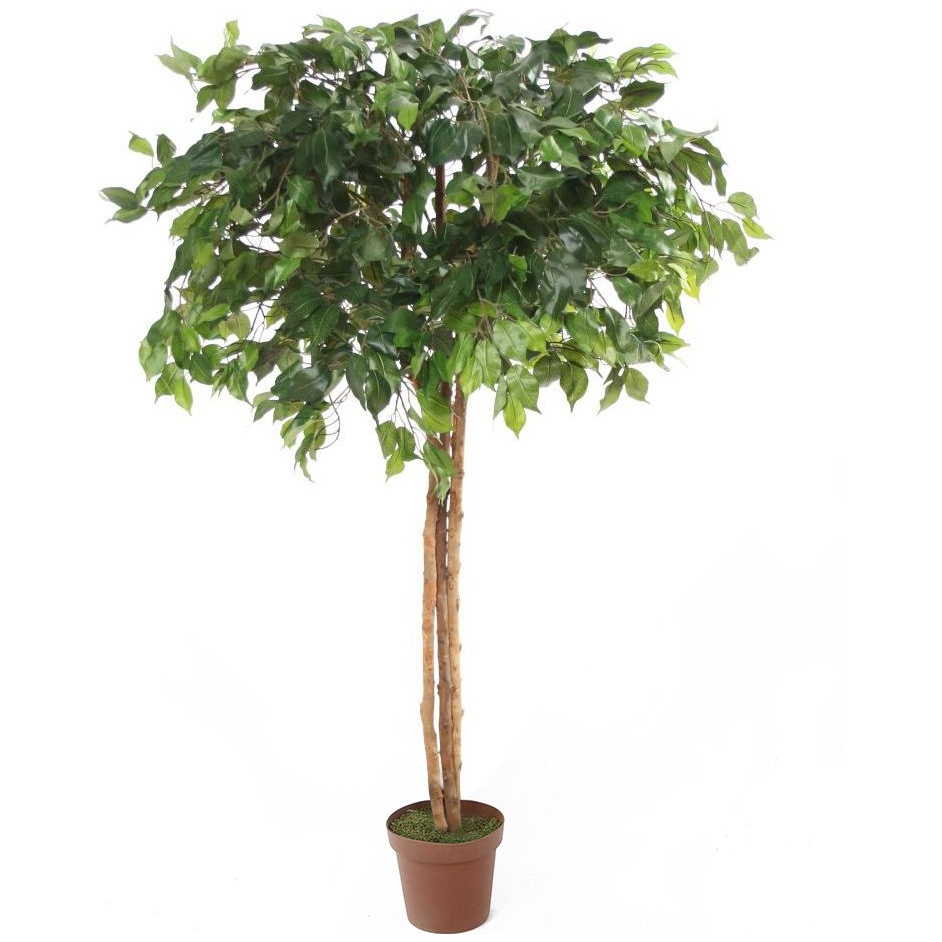
Ficus is simply Latin for fig, and you may see this species referred to by the common name benjamin fig as well. In its native habitat, F. benjamina has evolved alongside parasitic wasps that do all of the pollinating. These wasps don't exist outside of the same warm, tropical areas where the plant grows native, with just a few exceptions. If.
Ficus Benjamina (Weeping Fig) Care Guide PlantVine
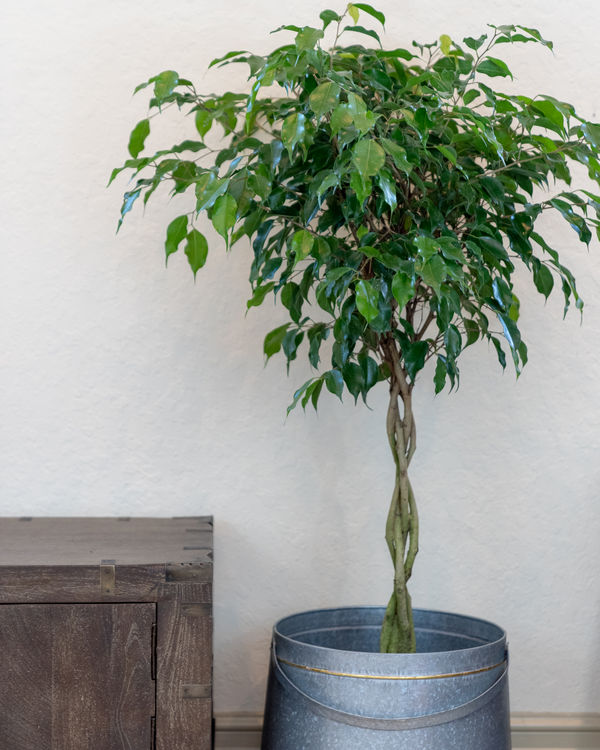
Ficus Benjamina or as it's more commonly known, the Weeping Fig, is a common indoor houseplant which comes in multiple different looks and styles. It can be grown as a tall indoor tree with leafless braided trunks, or a tall bushy indoor plant, or even as a short pot plant. The leaves on the all green variety are unremarkable and because the.
Weeping Fig Tree Plant, Ficus benjamina Care Indoors/Outdoors Plantopedia

Weeping fig (Ficus benjamina's common name is known as the ficus tree) grows as a large broadleaf evergreen tree in tropical and subtropical climates, but it is more often grown as a houseplant in homes and offices and featured in interior commercial landscaping. Here it will thrive in filtered bright sunlight and well-draining potting soil.
Weeping Fig (Ficus benjamina) in Denver Centennial Littleton Aurora Parker Colorado CO at Tagawa

The Ficus Benjamina, more commonly called the weeping fig, is an incredible and low-maintenance houseplant. This tree-like houseplant can reach up to 2.5m (8 ft) in height and has two varieties: variegated leaves and (regular) green leaves.
Buy weeping fig ( syn. Ficus benjamina Twilight ) Ficus benjamina 'Twilight' Delivery by
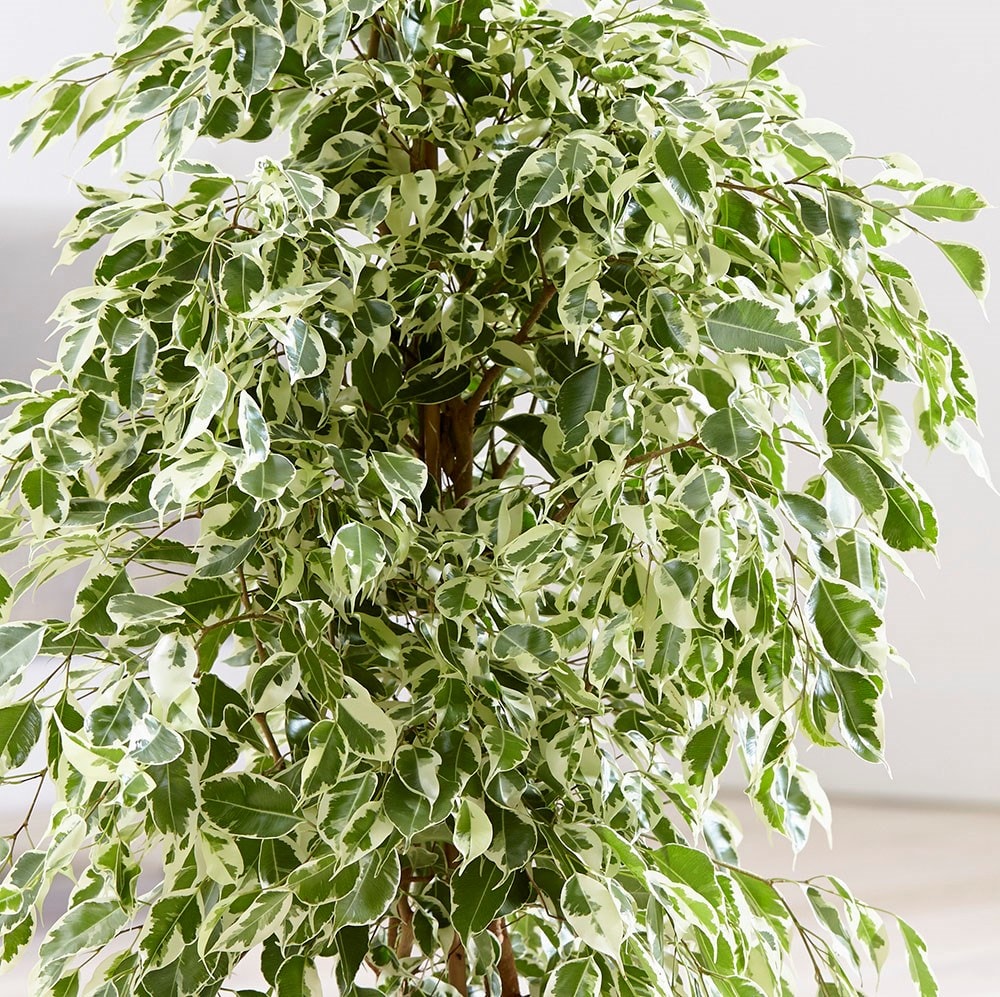
You'll find out just how easy to grow and easy to care for this plant is. Botanical Name: Ficus Benjamina. Common Name: Weeping Fig, Ficus Tree, Benjamin Fig. Plant Type: Ever-green tree, houseplant. Height: 3 to 6 feet grown indoors. 60 feet to 100 feet tall outdoors. Sun Exposure: Filtered, bright sun. Soil Requirements: Fast-draining.
Weeping Evergreen Fig Tree (ficus benjamina) Urban Tropicals
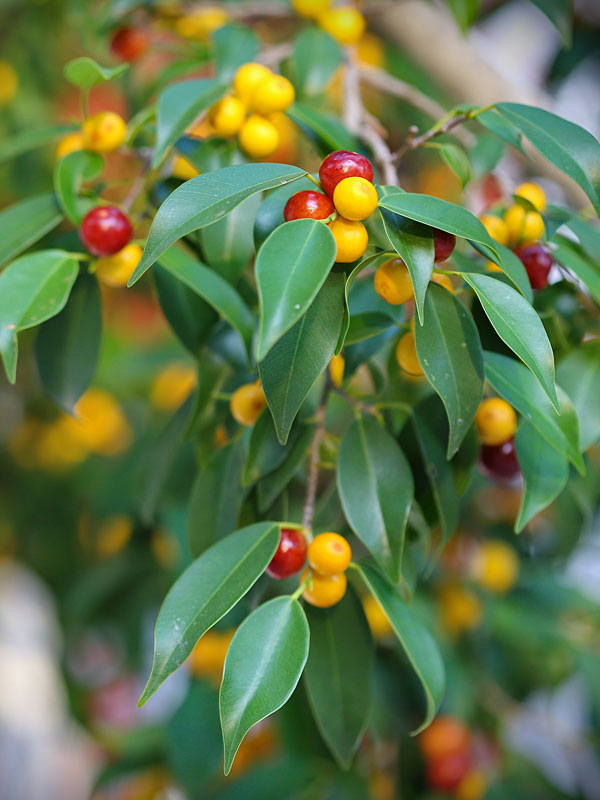
The Ficus benjamina, commonly known as the Benjamins fig, fig ficus, weeping figs, or benjamin figs, is the houseplant most people think of when mentioning a tree grown indoors. It's a flowering plant from family Moraceae, originating from Southeast Asia and Australia. This floor plant adds a tropical natural beauty to the home with its shiny.
How to Grow Ficus Benjamina Indoors Growing Weeping Fig
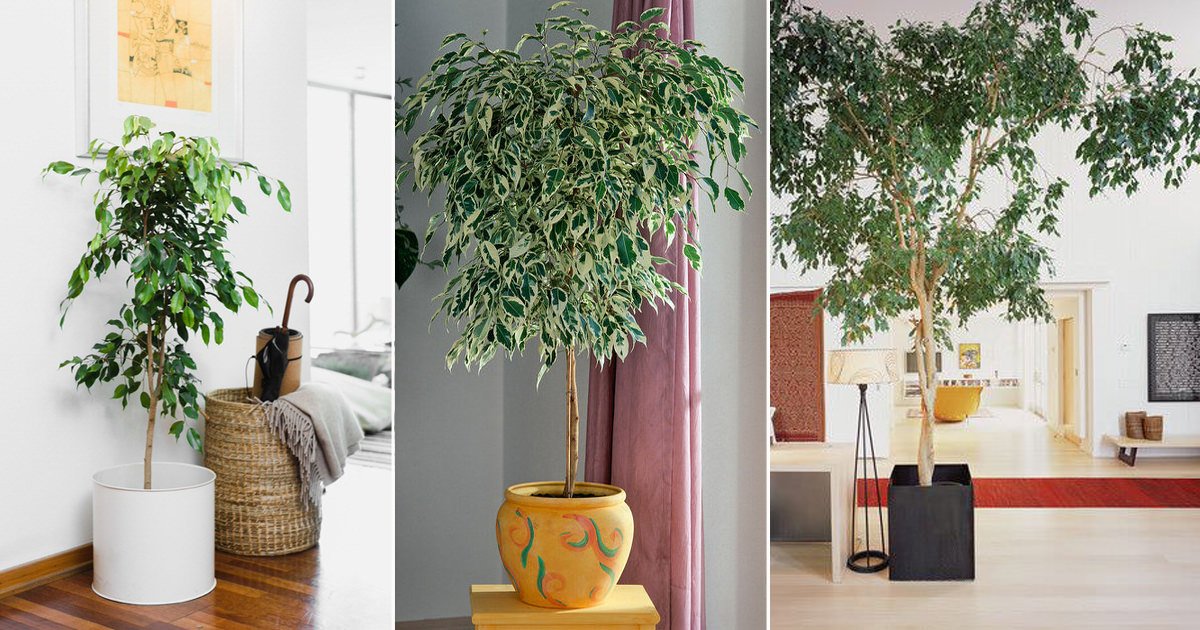
The weeping fig (Ficus benjamina), also known as the Benjamin fig, tropic laurel, Java fig, Java tree, small-leaved rubber plant or just plain ficus, has arching stems of small, glossy green or variegated leaves. In time it grows into a small, elegant tree that can reach around 1.8m tall and makes an impressive focal point. It's an excellent air purifier, too.
Ficus benjamina Anastasia Weeping Fig Tree House Plant Garden Plants
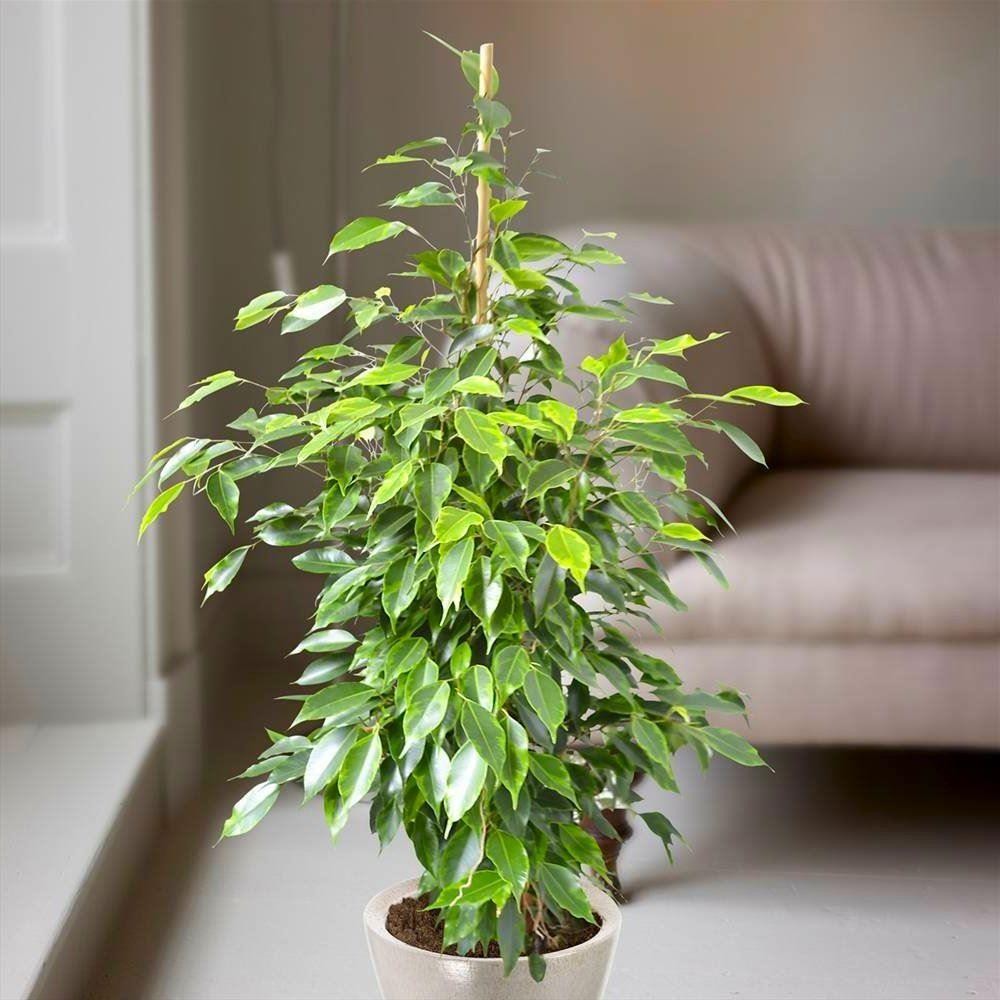
The weeping fig (Ficus benjamina) is often called "Benjamini" or simply "Ficus" and is one of the most popular indoor plants. There are indeed hundreds of Ficus species, some of which, such as the rubber tree (Ficus elastica) or the violin box tree (Ficus lyrata), are also common as houseplants..
Growing Ficus Benjamina Tree aka Weeping Fig PlantCareToday

Weeping Fig (Ficus Benjamina) is a prime example of the Ficus family, one of the most popular plants to grow indoors. Its history is almost as rich as its appearance, ranging from a helpful air-filtering houseplant to an actual source of wood used to craft 19th-century chapels in Australia.